


Inspire FM is Loading

Waj's Drive-Thru

is live now!
Georgiean Date
Hijri Date
Worshipper making dua at sunset
Inspire FM logo Inspire FM Hajj 2026
Prepare your heart for the blessed journey of Hajj

Guidance, key dates, duas and reminders to help you understand the rites of Hajj and make the most of the sacred days of Dhul Hijjah.

Countdown to Hajj 2026

Monday 25 May 2026

0 Days
0 Hours
0 Minutes
0 Seconds

Hajj The Journey

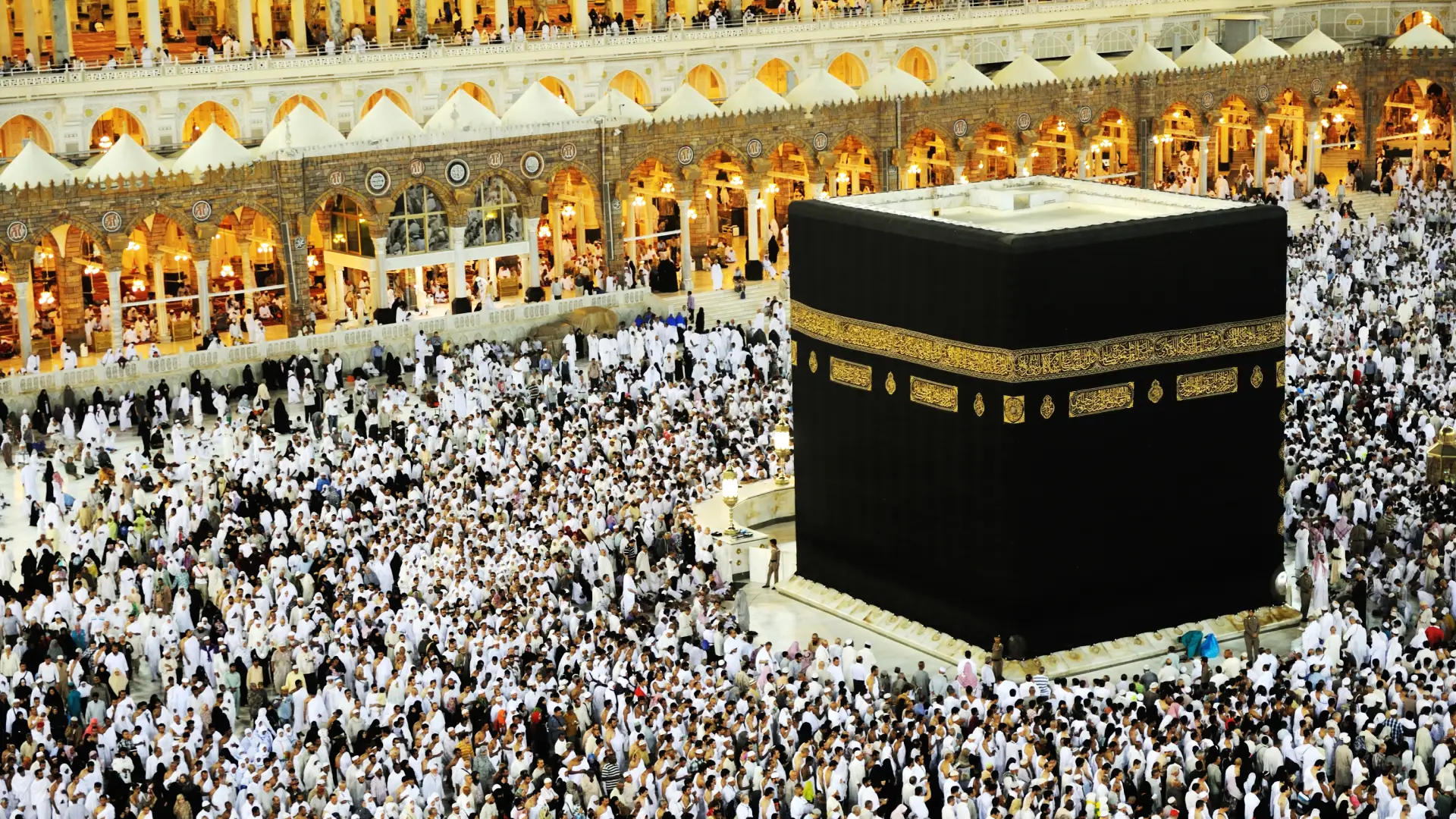
Hajj is one of the most sacred journeys a Muslim can make. It is the pilgrimage to Makkah and one of the Five Pillars of Islam. Every adult Muslim who is physically, financially and emotionally able is required to perform Hajj at least once in their lifetime. Each year, Muslims from across the world travel to Makkah to worship Allah, follow the footsteps of Prophet Ibrahim (AS), Hajar (AS), Ismail (AS) and the final Messenger, Prophet Muhammad ﷺ, and experience one of the greatest acts of unity in Islam.

Hajj 2026 takes place from Monday 25 May to Saturday 30 May 2026, following the official sighting of the moon in Saudi Arabia. Hajj takes place every year in Dhul Hijjah, the twelfth month of the Islamic calendar. The main days of Hajj begin on the 8th of Dhul Hijjah and continue until the 12th or 13th of Dhul Hijjah. Because the Islamic calendar is lunar, the Gregorian dates move earlier by around 10 to 12 days each year.

Hajj is a complete act of worship that brings together belief, sacrifice, patience, humility and submission to Allah. It is not only a physical journey to Makkah, but a spiritual journey of repentance, renewal and closeness to Allah. During Hajj, pilgrims complete a series of rites across Makkah, Mina, Arafah and Muzdalifah.

Hajj is important because it is one of the Five Pillars of Islam and a direct command from Allah for those who are able. It reminds Muslims of the Hereafter, equality before Allah and the importance of sincerity, patience and obedience, making it one of the most powerful opportunities for spiritual transformation.

The Day of Arafah

The Day of Arafah falls on the 9th of Dhul Hijjah and is one of the greatest days of the Islamic year. For pilgrims, standing at Arafah is the central pillar of Hajj. For those not performing Hajj, it is a day of fasting, dua, repentance and increased worship.

لَا إِلَهَ إِلَّا اللهُ، وَحْدَهُ لَا شَرِيكَ لَهُ، لَهُ الْمُلْكُ وَلَهُ الْحَمْدُ، وَهُوَ عَلَى كُلِّ شَيْءٍ قَدِيرٌ

Dua for the Day of Arafah

Laa ilaaha ill-Allah, wahdahu laa shareeka lah, lahul-mulku wa lahul-hamdu, wa huwa ‘alaa kulli shay’in qadeer.

There is no deity worthy of worship except Allah alone, without partner. To Him belongs the dominion and to Him belongs all praise, and He has power over all things.

What happens During Hajj?

Hajj is performed over five to six days and includes several sacred rites. The journey can be physically demanding, with pilgrims often walking long distances each day, but every stage carries deep meaning and reward. The main stages include preparing the intention, entering Ihram, Tawaf, Sa’i between Safa and Marwah, travelling to Mina, standing at Arafah, spending the night in Muzdalifah, stoning the Jamarat, Qurbani, shaving or trimming the hair, Tawaf al-Ifadah and the farewell Tawaf.

The 18 Steps of Hajj

1
Preparation and intention
2
Enter the state of Ihram
3
Perform Tawaf seven times
4
Sa’i between Safa and Marwah
5
Clip or shave hair if completing Umrah before Hajj
6
Rest, worship and prepare
7
Enter Ihram for Hajj
8
Travel to Mina
9
Day of Arafah
10
Spend the night in Muzdalifah
11
Rami al-Jamarat: stoning of the Jamarat
12
Qurbani / sacrifice
13
Shave or trim hair
14
Tawaf al-Ifadah
15
Rami al-Jamarat: stoning of the Jamarat
16
Spend the night at Mina
17
Final Rami al-Jamarat
18
Farewell Tawaf al-Wida

Hajj FAQs

Hajj means to set out for a great journey. In Islam, it refers to the sacred pilgrimage to Makkah performed during Dhul Hijjah.

Hajj usually lasts five to six days, from the 8th to the 12th or 13th of Dhul Hijjah.

Hajj 2026 is expected to take place from 25 May to 30 May 2026, subject to the official moon sighting in Saudi Arabia.

Hajj is required once in a lifetime for adult Muslims who are physically, financially and emotionally able to perform it.

Children are not required to perform Hajj. Muslims who are very weak, sick, elderly, physically unable, or financially unable are excused until they have the ability.

Yes. Hajj is obligatory once for those who are able, but a Muslim may perform it more than once if they have the means and sincere intention.

The Day of Arafah is the 9th of Dhul Hijjah. It is the central day of Hajj and one of the greatest days for dua, repentance and worship.

Those not performing Hajj can increase in prayer, fasting, charity, Qur’an, dhikr and dua, especially during the first ten days of Dhul Hijjah and on the Day of Arafah.

ذَهَبَ الظَّمَأُ وَابْتَلَّتِ الْعُرُوقُ وَثَبَتَ الأَجْرُ إِنْ شَاءَ اللَّهُ

Dhahaba al-zama’u wabtallatil-urooq wa thabatal-ajru in sha Allah.

Thirst has gone, the veins are moist, and the reward is certain, if Allah wills.

Hajj is obligatory once in a lifetime for those who are able and can only be performed on specific days of Dhul Hijjah. Umrah is voluntary and can be performed at most times of the year.

Watch Hajj Lectures and Guidance

Explore our selected Hajj reminders, lectures and spiritual guidance to help you prepare for the blessed days of Dhul Hijjah and the journey of Hajj.

We are preparing it for you...

View the Hajj Timetable

Keep track of the expected Hajj dates, the key days of Dhul Hijjah and the main rites so you can prepare with clarity and purpose.

We use cookies on our website to give you the best experience. By using the site, you agree to its use of cookies.