Mercy
He cared for children, supported the vulnerable and forgave whenever possible.


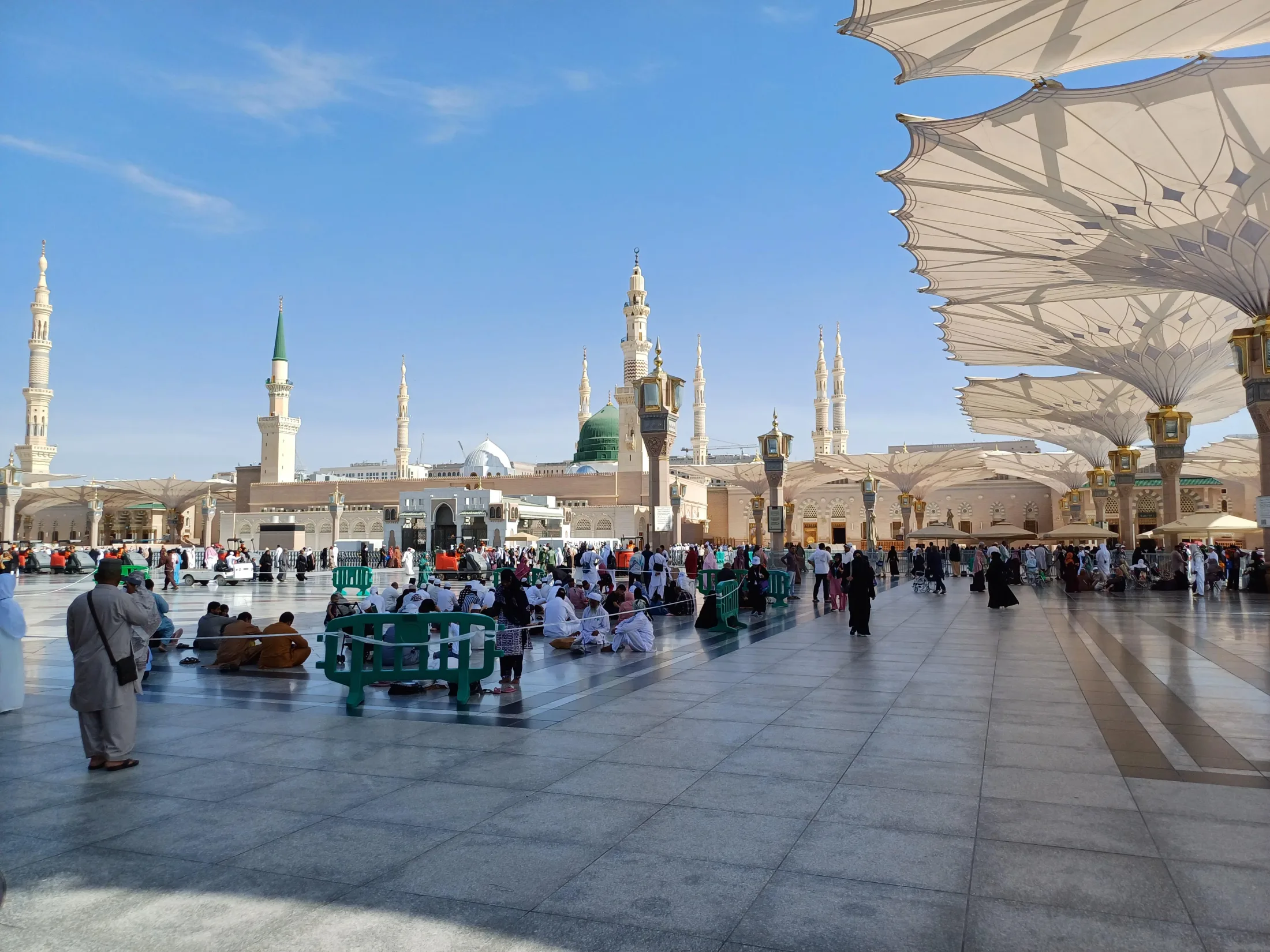
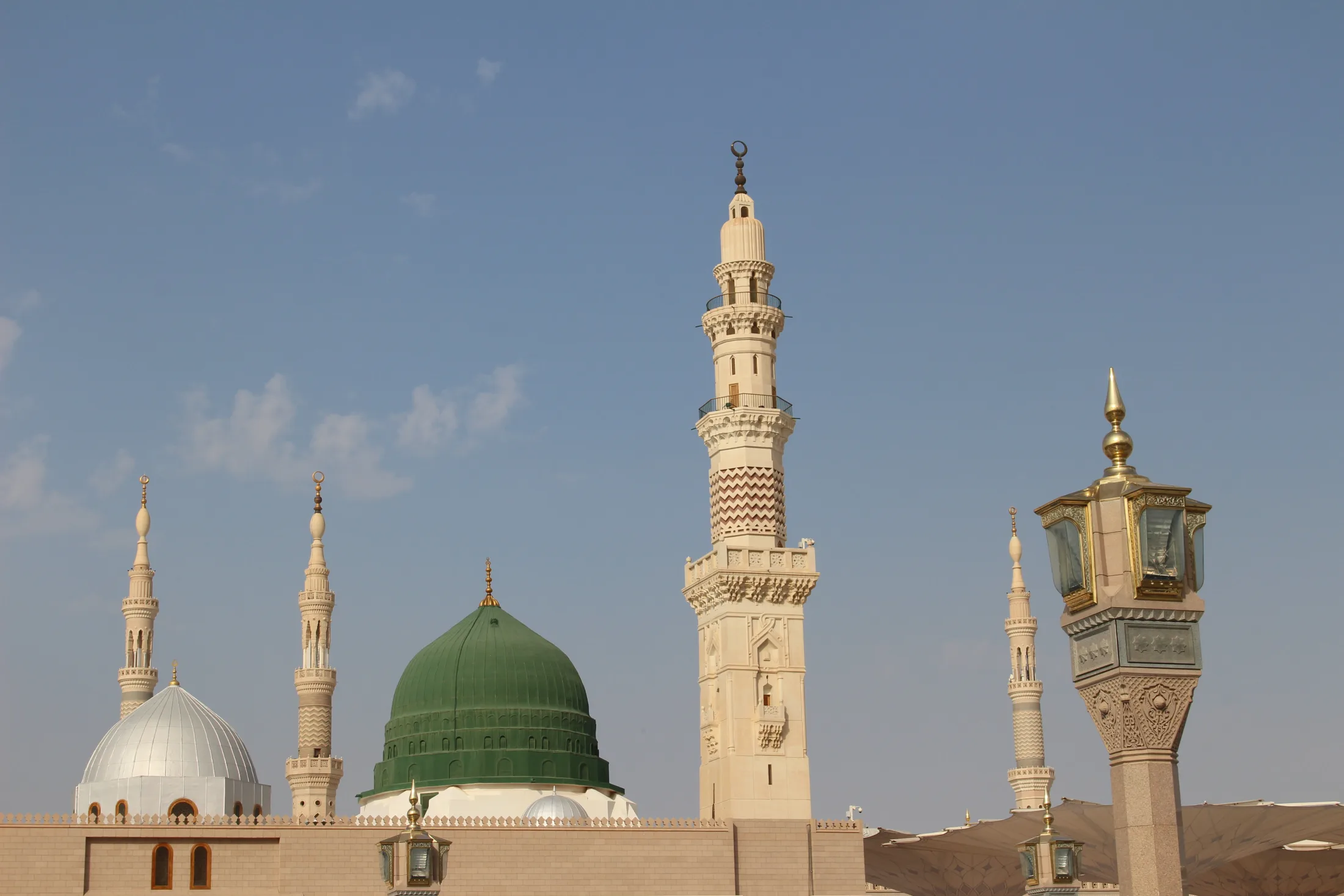
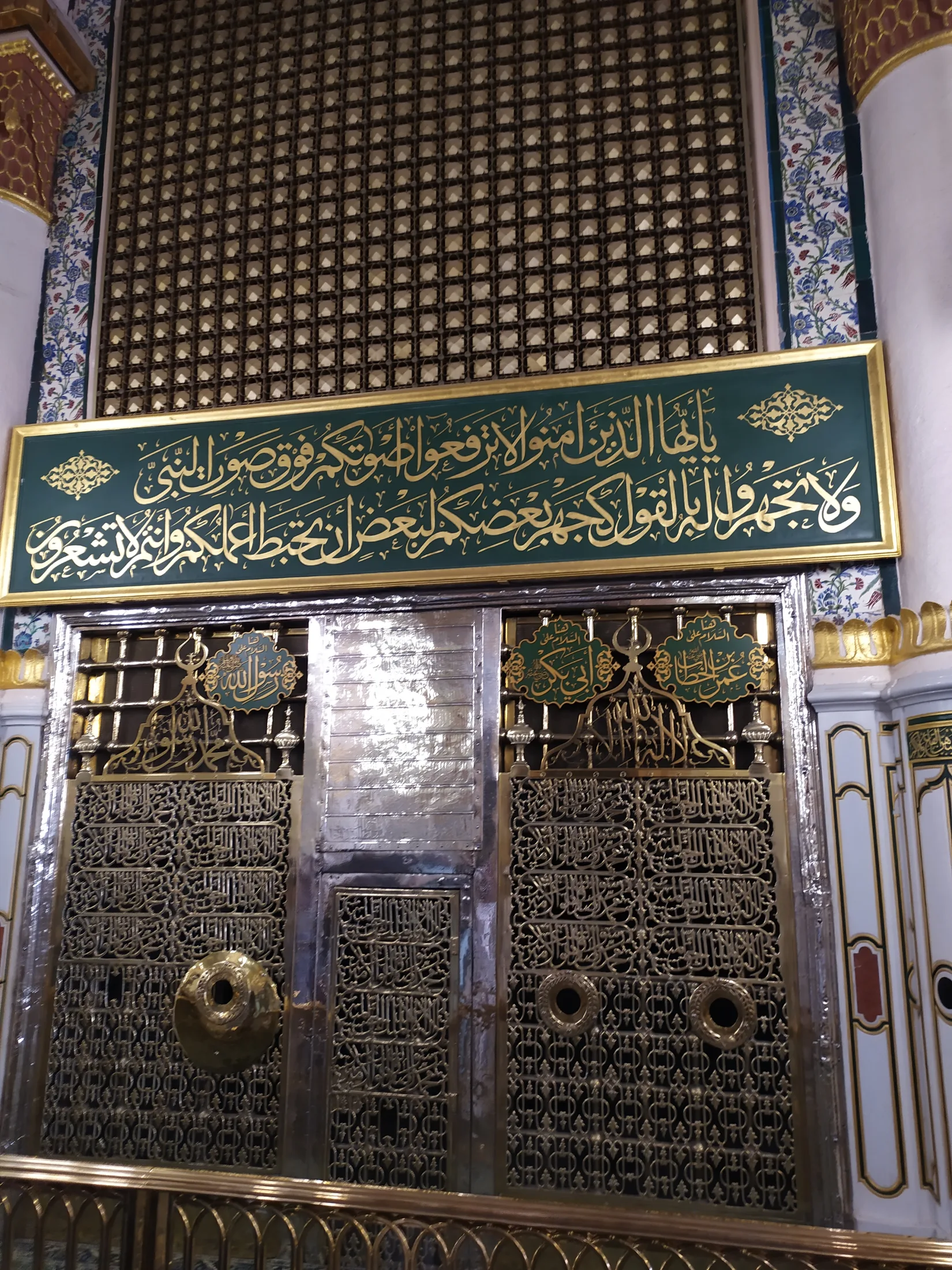
 Learn • Reflect • Follow
Explore the Seerah, noble character and timeless Sunnah of Prophet Muhammad ﷺ, with practical reminders to help you follow his example in everyday life.
Rabi al-Awwal is the third month of the Islamic calendar and holds a special place in Islamic history because it is closely connected with the life of Prophet Muhammad ﷺ.
It is widely recognised as the month in which the Prophet ﷺ was born, although scholars have differed regarding the exact date. Rather than focusing on dates, this Inspire FM resource invites individuals and families to learn his Seerah, reflect on his noble character and put his authentic teachings into practice.
There are no acts of worship prescribed exclusively for Rabi al-Awwal. It is, however, a valuable opportunity to remember Allah, send blessings upon the Prophet ﷺ, read the Qur’an and renew our commitment to the Sunnah.
We pray this resource strengthens your love for the Messenger of Allah ﷺ and inspires positive change in your daily life.
“Indeed, in the Messenger of Allah you have an excellent example for whoever has hope in Allah and the Last Day and remembers Allah often.”
Surah Al-Ahzab (33:21)
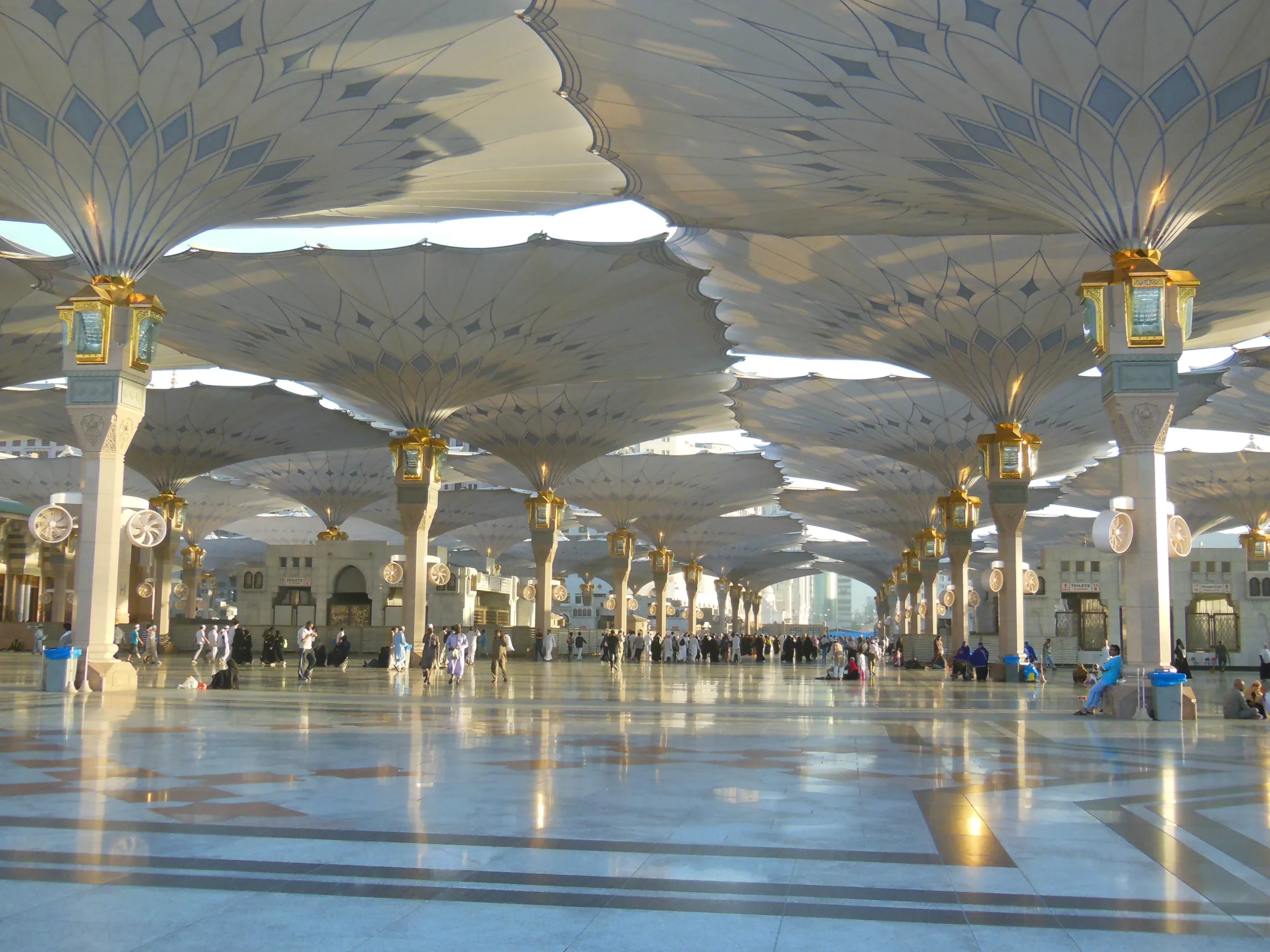
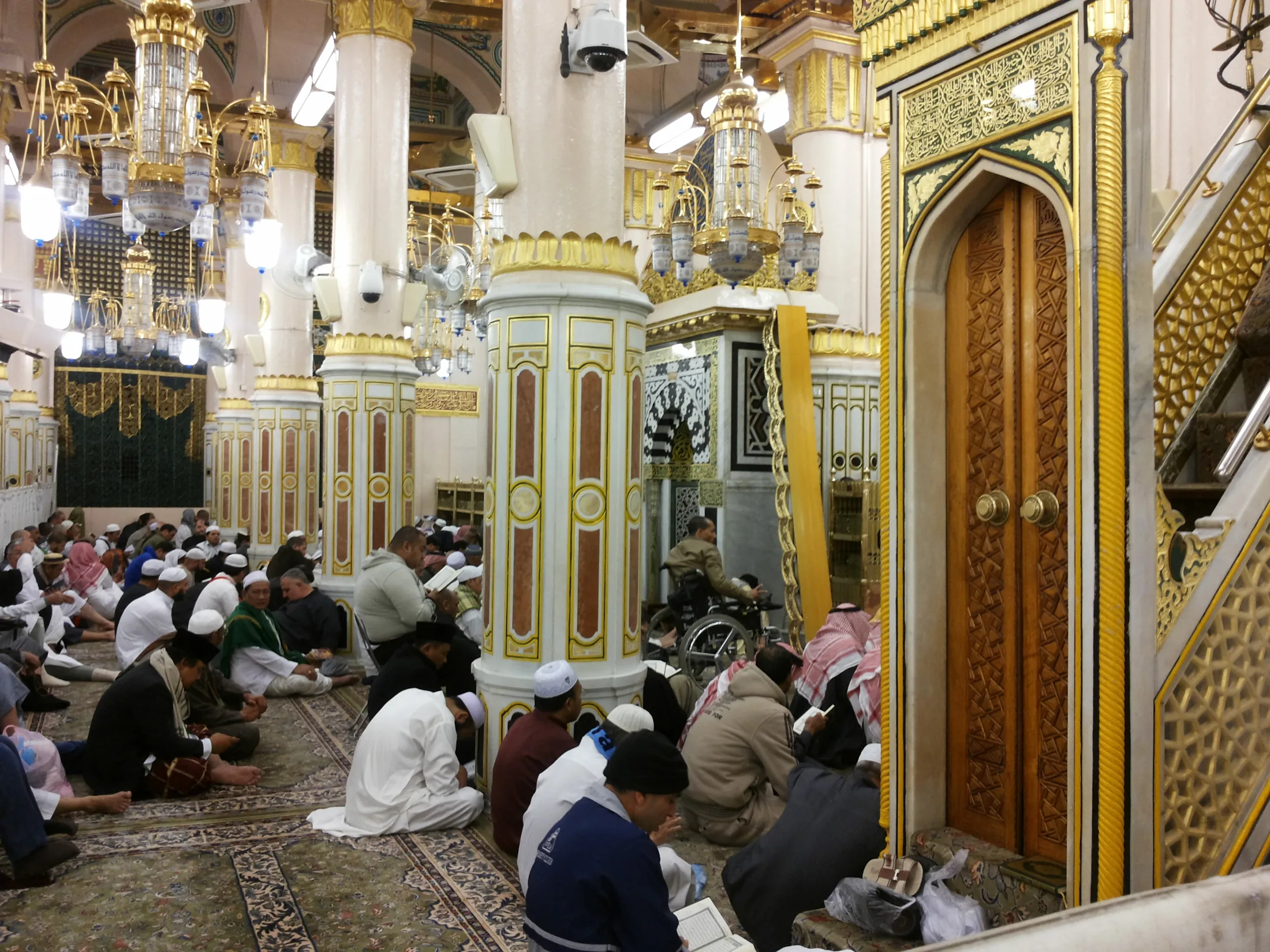 Masjid an-Nabawi • Madinah
It encourages Muslims to reconnect with one of Allah’s greatest blessings to humanity—the sending of Prophet Muhammad ﷺ as the final Messenger. More than fourteen centuries later, his teachings continue to inspire billions.
“And We have not sent you, [O Muhammad], except as a mercy to the worlds.”
Surah Al-Anbiya (21:107)
The greatest way to honour Prophet Muhammad ﷺ is not simply by remembering him, but by following his guidance in daily life.
Prophet Muhammad ﷺ is the final Messenger of Allah and the Seal of the Prophets. Born in Makkah into Quraysh, he was known from a young age as As-Sadiq (The Truthful) and Al-Ameen (The Trustworthy).
At forty, Allah revealed the first verses of the Qur’an to him through Angel Jibreel. Across twenty-three years he called people to worship Allah alone and live with justice, mercy and good character. Despite persecution, hardship and personal loss, he remained patient, steadfast and compassionate.
“And indeed, you are of a great moral character.”
Surah Al-Qalam (68:4)
He was known not only for devotion to Allah, but for how he treated family, friends, neighbours and even those who opposed him. True faith is reflected in how we treat others.
He cared for children, supported the vulnerable and forgave whenever possible.
Known as Al-Ameen, his truthfulness defined his life long before revelation.
He encouraged kindness, generosity and empathy for the wellbeing of others.
He lived simply, served his family and never considered himself above others.
He treated people fairly regardless of wealth, family or social status.
He gave freely and encouraged believers to help without expecting a return.
He spoke gently, smiled often and encouraged kind words in every interaction.
Even after persecution, his response at the conquest of Makkah showed mercy and restraint.
“The best among you are those who have the best manners and character.”
Sahih al-Bukhari (3559)
The Prophet’s ﷺ guidance remains practical for every stage of life. Begin with small, consistent actions that strengthen relationships with Allah, family and community.
Be truthful, honour commitments and conduct every affair with integrity.
Treat family, neighbours, colleagues and strangers with kindness and respect.
Protect prayer, increase dhikr, recite Qur’an and place your trust in Allah.
Let love, patience and compassion begin at home.
Support people through charity, volunteering and simple acts of kindness.
Meet trials with patience, perseverance and trust in Allah.
Choose beneficial words and avoid gossip, arguments and harmful speech.
Keep studying the Qur’an, Sunnah and Seerah—and practise what you learn.
Take three simple steps during this blessed month:
The Prophet ﷺ understood life as an orphan and encouraged Muslims to give vulnerable children love, care, dignity and support.
“I and the one who cares for an orphan will be together in Paradise like this.”
Sahih al-Bukhari (5304)
In partnership with KORT (Kashmir Orphan Relief Trust), our official charity partner.
sponsors one child for one year, removing barriers to education and helping them learn with dignity.
Donate an Orphan PackThe Sunnah of the Messenger of Allah ﷺ is not something to remember only during Rabi al-Awwal. It is a way of life to learn, love and practise throughout the year.
This Rabi al-Awwal, revive a Sunnah in your life and encourage your family to do the same.
Salah is one of the greatest obligations after the testimony of faith and should be at the centre of a Muslim’s day. Guard the five daily prayers and perform each prayer within its appointed time.
“Indeed, prayer has been decreed upon the believers at specified times.”Qur’an 4:103
Make the Qur’an part of your everyday life. Recite it regularly, reflect upon its meanings and strive to act upon what Allah teaches.
“[This is] a blessed Book which We have revealed to you, that they might reflect upon its verses...”Qur’an 38:29
Du‘a is an act of worship. Ask Allah directly for your needs, your guidance, forgiveness, provision and everything that is good for you in this life and the Hereafter.
“Call upon Me; I will respond to you.”Qur’an 40:60
“Du‘a is worship.”Abu Dawud and al-Tirmidhi
Keep your tongue moist with the remembrance of Allah. Say SubhanAllah, Alhamdulillah, Allahu Akbar, La ilaha illAllah and other authentic forms of dhikr throughout your day.
“O you who believe, remember Allah with much remembrance.”Qur’an 33:41
The Prophet ﷺ taught his Ummah supplications and remembrances to recite in the morning and evening. They strengthen the believer’s connection with Allah and include supplications seeking His protection.
Reference: Abu Dawud, al-Tirmidhi and other collections of authentic Sunnah.
Alongside the obligatory prayers, guard the regular voluntary prayers associated with them. The Prophet ﷺ taught that whoever regularly observes twelve rak‘ahs of voluntary prayer during the day and night will have a house built for them in Paradise.
Reference: Muslim; also reported in the Sunan collections.
Spend part of the night standing before Allah, even if it is only two rak‘ahs.
“The best prayer after the obligatory prayer is the night prayer.”Sahih Muslim
Make Witr the final prayer of your night. The Prophet ﷺ strongly encouraged his Ummah to observe it.
“Make Witr your last prayer at night.”Sahih al-Bukhari and Sahih Muslim
When faced with an important permissible decision, turn to Allah before relying solely upon yourself. The Prophet ﷺ taught his Companions Istikharah with great care: pray two non-obligatory rak‘ahs and then make the prescribed supplication asking Allah to decree what is best.
Reference: Sahih al-Bukhari
When you commit a sin, do not allow it to distance you further from Allah. Turn back to Him sincerely. The Prophet ﷺ taught that when a person sins, then purifies themselves, prays two rak‘ahs and seeks Allah’s forgiveness, Allah forgives them.
Reference: Abu Dawud and al-Tirmidhi
Voluntary fasting disciplines the soul and brings a believer closer to Allah. The Prophet ﷺ said that deeds are presented on Monday and Thursday and that he loved for his deeds to be presented while he was fasting.
Reference: al-Tirmidhi
The Miswak is a simple Sunnah that the Prophet ﷺ greatly encouraged.
“Were it not that I would cause hardship to my Ummah, I would have commanded them to use the Siwak for every prayer.”Sahih al-Bukhari and Sahih Muslim
You do not need to be wealthy to give Sadaqah. Give according to your means and make generosity part of your character.
“Whatever you spend of good, He will replace it.”Qur’an 34:39
A believer should not constantly carry grudges. Forgive people while hoping that Allah will forgive you.
“Let them pardon and overlook. Would you not love that Allah should forgive you?”Qur’an 24:22
Speaking kindly to your parents, serving them and treating them with respect are among the greatest deeds.
“And your Lord has decreed that you worship none but Him, and that you show kindness to parents.”Qur’an 17:23
Islam teaches respect for those older than us and mercy towards those younger than us.
“He is not one of us who does not show mercy to our young and recognise the rights of our elders.”Abu Dawud and al-Tirmidhi
The rights of neighbours hold an extraordinary position in Islam. The Prophet ﷺ said that Jibril continued advising him regarding the neighbour until he thought that the neighbour would be made an heir.
Reference: Sahih al-Bukhari and Sahih Muslim
Revive the greeting that brings Muslims closer together: As-salamu ‘alaykum wa rahmatullahi wa barakatuh. The Prophet ﷺ encouraged Muslims to spread Salam amongst themselves.
Reference: Sahih Muslim
Good character does not always require grand actions.
“Your smiling in the face of your brother is charity.”al-Tirmidhi
Islam teaches balance rather than excess. The Prophet ﷺ taught that a person fills no vessel worse than the stomach and advised leaving room for food, drink and breath.
Reference: al-Tirmidhi and Ibn Majah
The Prophet ﷺ instructed Muslims to eat and drink with the right hand. Begin with Bismillah, use your right hand and praise Allah when you finish.
Reference: Sahih Muslim
Remember Allah when entering your home and when beginning your food. The Prophet ﷺ taught that when a person remembers Allah upon entering their home and when eating, Shaytan finds no lodging or meal there.
Reference: Sahih Muslim
Before sleeping, make Wudu, lie on your right side and recite the authentic supplications and remembrances taught by the Prophet ﷺ.
Reference: Sahih al-Bukhari and Sahih Muslim
The Messenger of Allah ﷺ, despite having his sins forgiven, frequently sought Allah’s forgiveness.
“O people, repent to Allah, for indeed I repent to Him one hundred times a day.”Sahih Muslim
Allah commands the believers to send blessings and peace upon His Messenger ﷺ. The Prophet ﷺ taught that whoever sends one blessing upon him, Allah sends ten blessings upon that person.
“Indeed, Allah and His angels send blessings upon the Prophet. O you who believe, send blessings upon him and peace in abundance.”Qur’an 33:56
Reference: Sahih Muslim
Islam places great importance upon maintaining the ties of kinship. The Prophet ﷺ taught that whoever wishes for their provision to be increased and their life to be blessed should maintain their family ties.
Reference: Sahih al-Bukhari and Sahih Muslim
Visiting a sick Muslim is from the rights Muslims have over one another and is a deed carrying tremendous reward. The Prophet ﷺ encouraged visiting the sick and caring for fellow Muslims.
Reference: Sahih al-Bukhari and Sahih Muslim
Islam teaches us to benefit people even through actions that may appear small. The Prophet ﷺ taught that removing something harmful from the road is an act of charity.
Reference: Sahih al-Bukhari and Sahih Muslim
The Prophet ﷺ taught gentleness, mercy and ease in dealing with people.
“Make things easy and do not make things difficult; give glad tidings and do not drive people away.”Sahih al-Bukhari and Sahih Muslim
Following the Sunnah is not limited to outward actions. The character of the Messenger of Allah ﷺ included mercy, patience, generosity, truthfulness, humility and kindness.
“And indeed, you are of a great moral character.”Qur’an 68:4
“The best of you are those who have the best character.”Sahih al-Bukhari
Learning about Prophet Muhammad ﷺ is a lifelong journey. Watch, share and benefit from Inspire FM’s collection of videos, talks and reminders throughout Rabi al-Awwal and beyond.
Stay on the page, choose a video from the playlist and continue learning at your own pace.
Answers to common questions about Rabi al-Awwal, the life of Prophet Muhammad ﷺ and how to benefit from this month.
A simple collection of authentic supplications with Arabic, transliteration and meaning. Listen to verified human recitations to learn each dua with care.
Protection and wellbeing
بِسْمِ اللَّهِ الَّذِي لَا يَضُرُّ مَعَ اسْمِهِ شَيْءٌ فِي الْأَرْضِ وَلَا فِي السَّمَاءِ وَهُوَ السَّمِيعُ الْعَلِيمُ
Bismillāhilladhī lā yaḍurru maʿasmihi shay’un fil-arḍi wa lā fis-samā’i wa Huwas-Samīʿul-ʿAlīm.
In the name of Allah, with whose name nothing on earth or in heaven can cause harm, and He is the All-Hearing, All-Knowing.
Begin the day with gratitude
الْحَمْدُ لِلَّهِ الَّذِي أَحْيَانَا بَعْدَ مَا أَمَاتَنَا وَإِلَيْهِ النُّشُورُ
Alḥamdu lillāhilladhī aḥyānā baʿda mā amātanā wa ilayhin-nushūr.
All praise is for Allah who gave us life after having taken it from us, and unto Him is the resurrection.
Trust Allah throughout the day
بِسْمِ اللَّهِ تَوَكَّلْتُ عَلَى اللَّهِ لَا حَوْلَ وَلَا قُوَّةَ إِلَّا بِاللَّهِ
Bismillāh, tawakkaltu ʿalallāh, lā ḥawla wa lā quwwata illā billāh.
In the name of Allah, I place my trust in Allah; there is no might and no power except with Allah.
A simple Qur’anic prayer for learning
رَبِّ زِدْنِي عِلْمًا
Rabbi zidnī ʿilmā.
My Lord, increase me in knowledge.
Mercy for those who raised us
رَبِّ ارْحَمْهُمَا كَمَا رَبَّيَانِي صَغِيرًا
Rabbir-ḥamhumā kamā rabbayānī ṣaghīrā.
My Lord, have mercy upon them as they brought me up when I was small.
End the day in Allah’s name
بِاسْمِكَ اللَّهُمَّ أَمُوتُ وَأَحْيَا
Bismikallāhumma amūtu wa aḥyā
In Your name, O Allah, I die and I live.
Human audio recitations are sourced from Hisn al-Muslim; Qur’anic verses are recited by Mishary Rashid Alafasy via Every Ayah.
Join the Inspire FM WhatsApp Channel for Islamic reminders, community updates, upcoming events and new resources delivered directly to you.
Get Islamic reminders, important announcements, campaign news and community updates delivered directly to WhatsApp.
Join the WhatsApp ChannelReceive Islamic reminders, community news, upcoming events and campaign updates in your inbox.
Stay connected across our social channels.
Perhaps your next step is learning more about the Prophet ﷺ, reviving one forgotten Sunnah, supporting an orphan who dreams of education, or simply intending to become a better servant of Allah. Whatever it is, begin sincerely and remain consistent.
We use cookies on our website to give you the best experience. By using the site, you agree to its use of cookies.